
 The Skeena
October 2, 2026
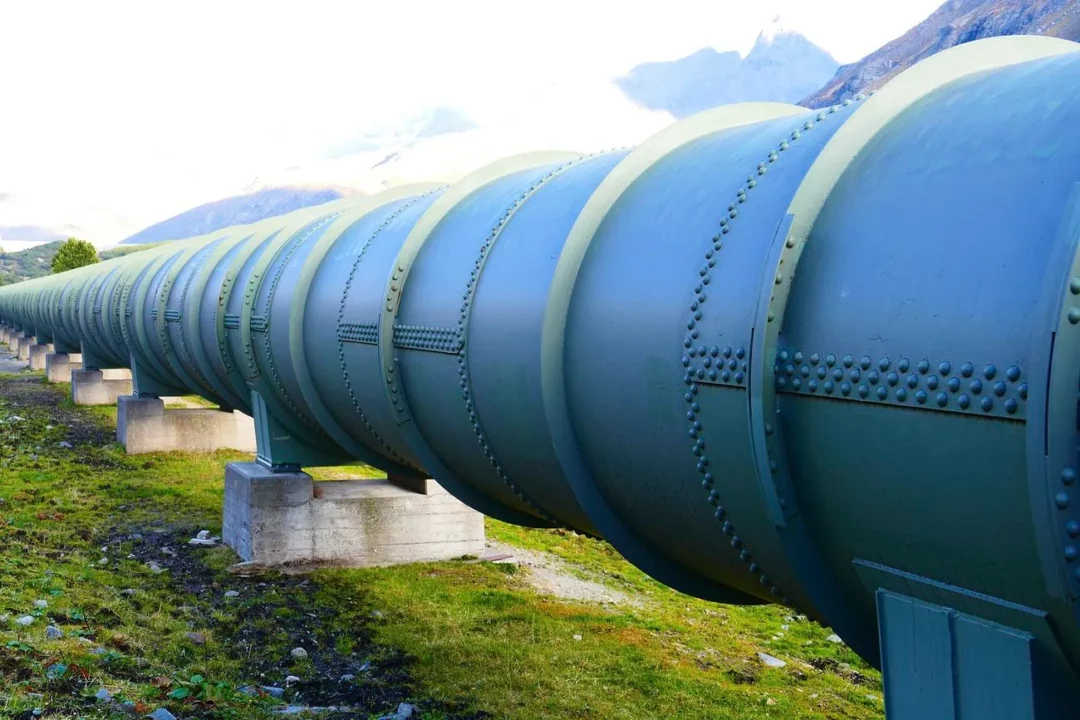
The federal government has designated Pacific Link, a proposed bitumen terminal and oil pipeline from Alberta to BC’s South Coast, as a project of national interest under the Building Canada Act. The completed project would move one million barrels of diluted bitumen (dilbit) per day from Bruderheim, northeast of Edmonton, to a new marine terminal near Roberts Bank in Delta.
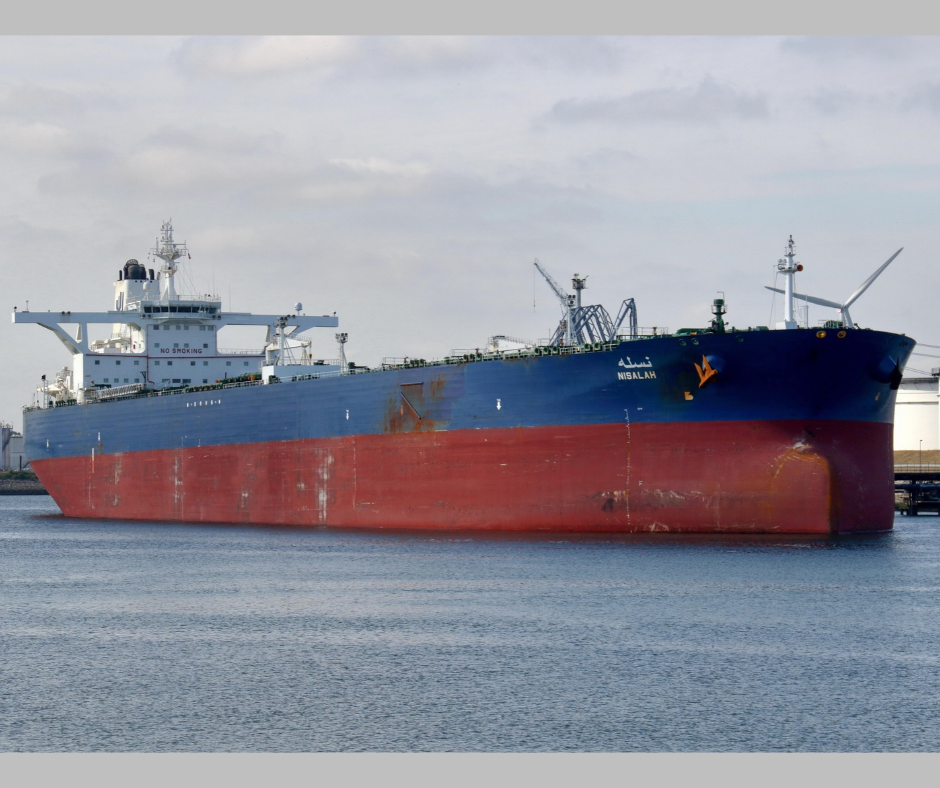
The pipeline could extend approximately 1,250 kilometres and would largely follow the existing Trans Mountain corridor through southern BC. The terminal would accommodate very large crude carriers (VLCCs), with a VLCC capable of carrying two million barrels of dilbit. At capacity, approximately fifteen fully loaded VLCCs per month will leave the terminal. These supertankers would leave Roberts Bank and travel through the Salish Sea, including the Strait of Georgia, Boundary Pass, Haro Strait, and the Strait of Juan de Fuca.
Prime Minister Mark Carney announced the decision in Fort McMurray on October 1. The designation places Pacific Link in a streamlined federal review led by the Major Projects Office, with support from the Canada Energy Regulator. Ottawa aims to finalize the project’s regulatory conditions by September 1, 2027.
The decision does not authorize construction. Pacific Link still requires a completed route, engineering and environmental studies, Indigenous consultation, public hearings, permits, commercial agreements and a final investment decision.
Preliminary costs are estimated at between $35.2 billion and $43.7 billion. Trans Mountain Corporation and the Alberta Petroleum Marketing Commission would be the principal owners, with Pembina Pipeline Corporation holding 10 percent during construction. At least 10 percent is to be offered to Indigenous communities. A planned bidding process will test whether enough oil companies are willing to commit long-term to using the pipeline.
Ottawa says Pacific Link could expand Asian exports and support up to 140,000 jobs at peak construction. The figure is a government and proponent projection that includes related investment.
The consultation process involved more than 130 potentially affected Indigenous communities. Most Indigenous communities consulted were not ready to support fast-tracking the project because key details were still unavailable. Identified gaps included routing, engineering, marine shipping, spill response, and possible effects on Aboriginal and treaty rights.
The Union of BC Indian Chiefs rejected the designation, calling the consultation incomplete. Coldwater Indian Band says it is considering legal or other action. Other communities have expressed interest in employment, contracting, and the proposed Indigenous ownership opportunity.
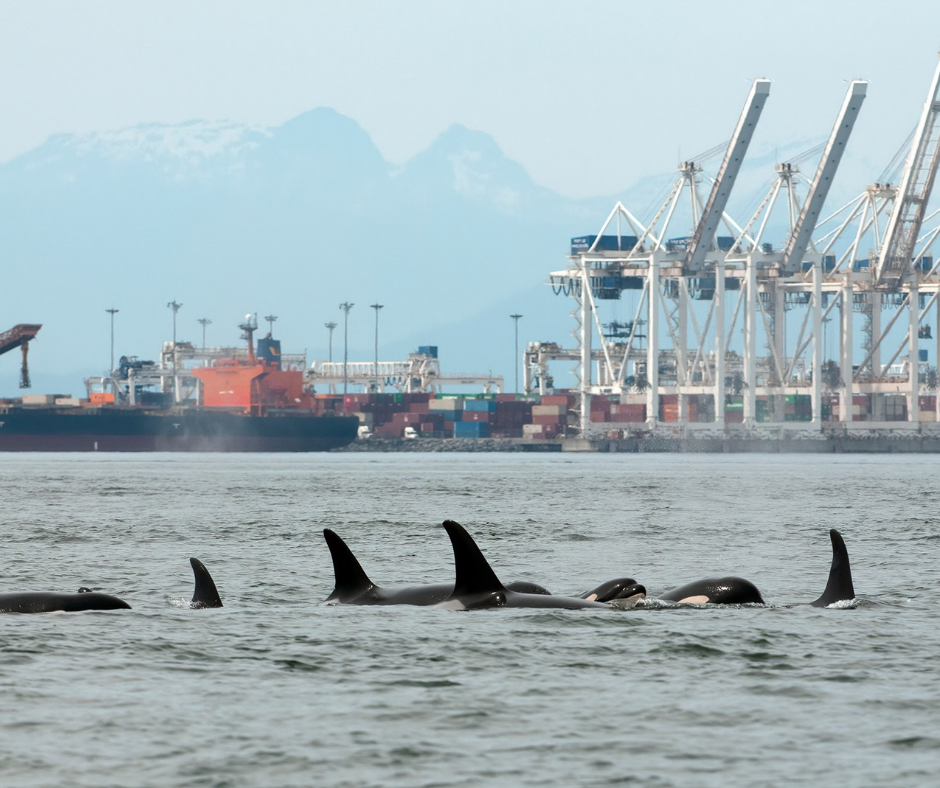
Federal documents acknowledge that the terminal and vessels would affect fish and marine mammals, including endangered Southern Resident killer whales. Project-specific spill scenarios and final protection measures have not been released.
The designation confirms federal support for Pacific Link and accelerates its review. Whether the project proceeds will depend on the evidence, consultation, financing and conditions developed during the next stage.
Sources
Federal designation and explanatory note · Prime Minister’s announcement · Major Projects Office record · Alberta project submission · UBCIC response
This article reflects publicly available information as of October 2, 2026.